


Image


A security deposit is a standard part of renting in Dubai, but deductions and refunds remain a common source of disputes. Under Article 20 of Law No. 26 of 2007, landlords can collect a deposit to cover maintenance and must return it, or the remaining balance, when the tenancy ends. Article 21 protects tenants from being charged for ordinary wear and tear.
With more tenants moving to new homes in 2026, move-out inspections and deposit claims are becoming more common. This guide explains your rights, what landlords can deduct, and how to file a claim at Dubai’s Rental Disputes Center if a deposit is not returned.
Table of Contents
Understanding Security Deposit Rules
A security deposit is an amount paid by a tenant at the start of a tenancy to provide financial protection against certain property damage or outstanding obligations, subject to the lease agreement and applicable law. It is separate from the rent and is not automatically forfeited when a tenancy ends.
Dubai's tenancy law permits landlords to collect a security deposit and requires them to return it, or the remaining balance after legitimate deductions, at the end of the tenancy. Understanding the amount, refund conditions and documentation before signing a lease can help prevent security deposit disputes later.
In Dubai, the commonly used market practice for residential properties is:
These are common market practices rather than fixed percentages prescribed by Article 20 of Dubai's tenancy law. The amount should be confirmed in the tenancy agreement before payment.
For example, if the annual rent is AED 80,000, a 5% security deposit would be AED 4,000 for an unfurnished property. At 10%, the deposit for a furnished property would be AED 8,000.
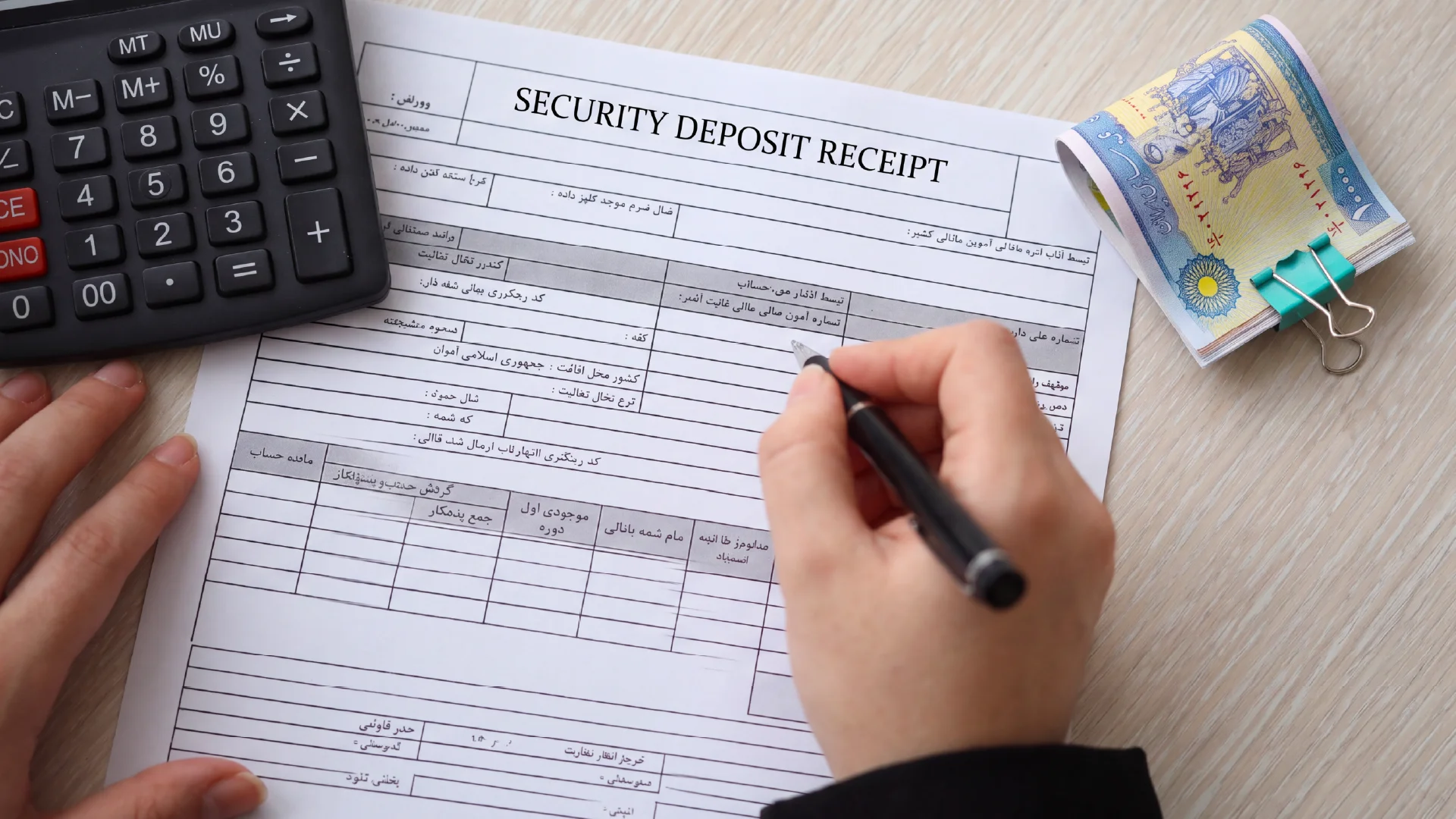
Tenants should check whether the agreed amount, payment method and refund conditions are recorded in writing and retain proof of payment.
Yes. A refundable security deposit should be returned at the end of the tenancy, subject to legitimate deductions under the tenancy agreement and applicable law.
Article 20 of Law No. 26 of 2007 requires the landlord to refund the deposit or its remaining balance upon expiry of the lease. Article 21 requires the tenant to return the property in the condition in which it was received, allowing for ordinary wear and tear and damage beyond the tenant's control.
A landlord may therefore have grounds to deduct reasonable costs for damage attributable to the tenant, depending on the evidence and circumstances. However, the full deposit should not automatically be withheld simply because the tenant is moving out.
Tenants should review the lease, document the property's condition at move-in and move-out, and agree on any deductions in writing wherever possible.

A landlord's deductions should be supported by the tenancy agreement, applicable law and evidence of the relevant costs or outstanding obligations.
Potentially justifiable deductions include:
Deductions that may be disputed include:
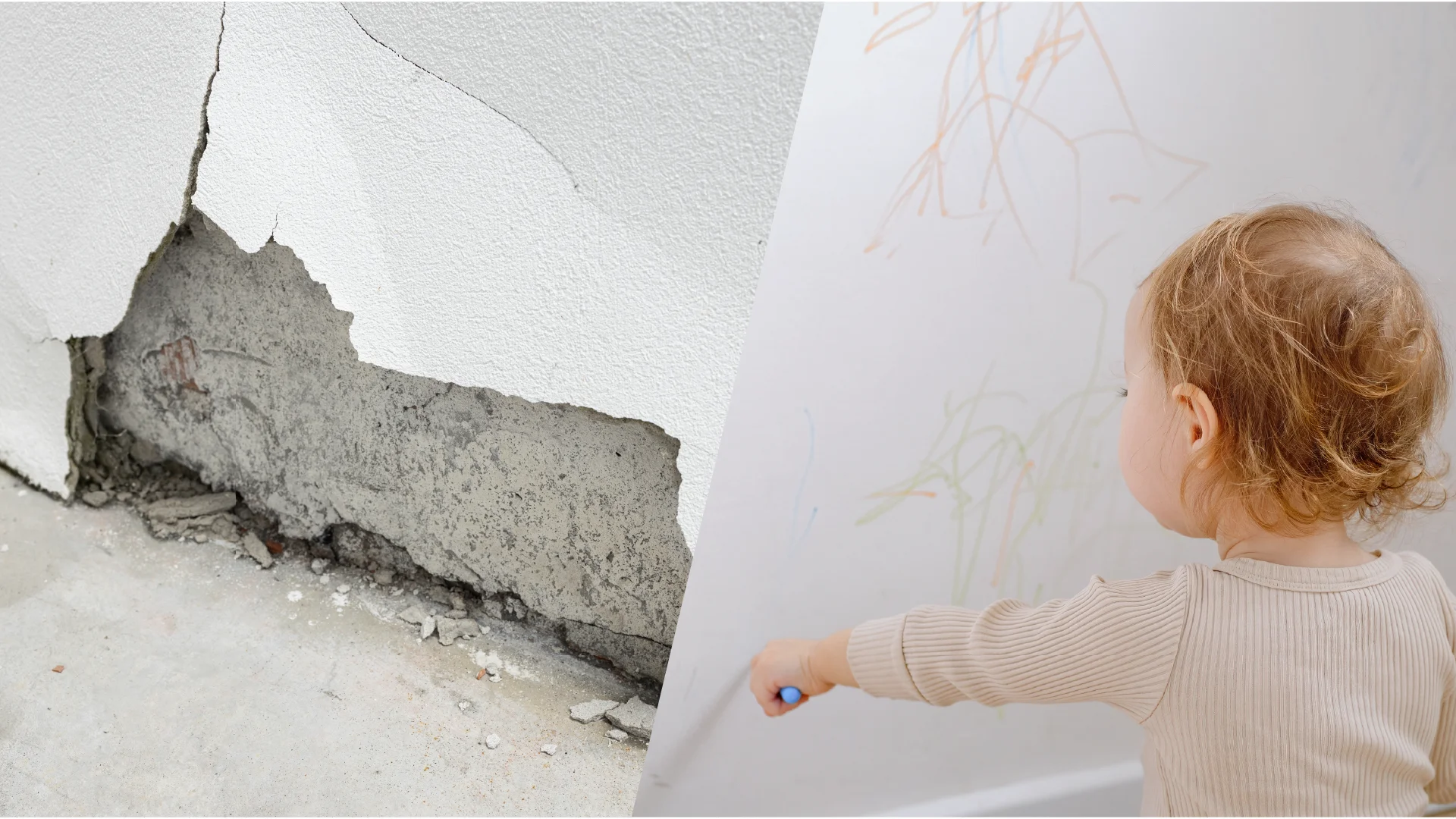
Routine painting and cleaning associated with ordinary use should be distinguished from costs arising from specific damage. Whether a deduction is justified depends on the circumstances, the tenancy agreement and the evidence available.
Tenants should request an itemised breakdown of deductions, along with relevant invoices, quotations, photographs or inspection reports. A disagreement over the amount withheld does not automatically mean that every deduction is unlawful; the circumstances and evidence matter.
Clear documentation is one of the most effective ways to prevent rental disputes. Before paying a security deposit, tenants should confirm that the following information is recorded or acknowledged in writing:
Keep copies of the tenancy agreement, Ejari registration, payment receipts and relevant correspondence. These records can support a claim if a landlord later refuses to return the deposit or disputes the property's condition.
Your Rights as a Tenant Under Dubai Rental Law
Dubai's Law No. 26 of 2007, as amended by Law No. 33 of 2008, regulates the relationship between landlords and tenants. Several provisions are particularly relevant when dealing with security deposit and rent disputes.
The right to a deposit refund: Article 20 requires the landlord to return the security deposit or the remaining balance when the tenancy expires.
Protection against ordinary wear and tear: Article 21 requires the tenant to return the property in its original condition, except for ordinary wear and tear and damage caused by circumstances beyond the tenant's control.
The right to challenge disputed deductions: If the landlord and tenant cannot agree on responsibility for damage or the amount to be refunded, the dispute can be referred to the Rental Disputes Center for a decision.
The importance of the tenancy agreement: The lease establishes the agreed terms, including the rent, deposit and relevant responsibilities. Tenants should read these provisions carefully and retain a copy.
The right to seek formal dispute resolution: Where direct communication does not resolve a disagreement, a tenant can consider filing a claim through the RDC, provided the claim falls within its jurisdiction and the applicable filing requirements are met.
Tenants should also remember that their responsibilities continue throughout the tenancy. Article 19 requires rent to be paid on time and the property to be maintained appropriately, subject to agreed responsibilities and the law.

Common Security Deposit Disputes in Dubai
Security deposit disputes can arise when the landlord and tenant have different interpretations of the property's condition, the lease terms or the costs associated with moving out.
Common rental dispute cases include:
Most of these issues are easier to resolve when the tenant has dated photographs, a signed inspection report, payment records and written communication with the landlord.
Tenants should first attempt to resolve the disagreement directly and request a written explanation of any proposed deductions. If the parties cannot reach an agreement, formal dispute resolution may be appropriate.
Landlord Not Returning Your Deposit? What to Do Step by Step
If your landlord is not returning your deposit, take the following steps before escalating the matter.
Check the deposit amount, refund conditions, maintenance responsibilities and any move-out requirements. Confirm that you have completed the agreed handover process and returned the keys.
Collect the following evidence:
Contact the landlord or authorised property manager with a clear request for the outstanding amount. Ask for an itemised explanation of any deductions and supporting evidence. Keep a copy of the correspondence and allow a reasonable period for a response.
Where the landlord identifies a legitimate issue, discuss the evidence and the amount in dispute. A written settlement can help both parties avoid the time and cost of formal proceedings.

If direct discussions fail, review the RDC's procedures for registering a rental lawsuit involving a monetary claim. Prepare the supporting documents, identify the amount sought and check the current filing requirements and fees.
The RDC provides electronic services for registering rental cases and uploading supporting documents. Depending on the type of claim, the matter may proceed through the relevant dispute resolution process.
Visit the Rental Disputes Center for official information and online services.
The Rent Dispute Centre (RDC) Explained
The Rental Disputes Center is Dubai's specialised judicial centre for resolving rental disputes between landlords and tenants within its jurisdiction. It provides formal procedures for parties who cannot settle disagreements through direct communication.
For tenants facing security deposit disputes, the RDC can be a route to seek a decision on the refund of an outstanding deposit or a disagreement over deductions. The appropriate procedure depends on the nature of the claim and the relief being requested.
The RDC handles a range of disputes arising from landlord-tenant relationships, including claims involving unpaid rent, lease obligations, property handover and monetary claims.
For security deposit matters, tenants may seek a decision on the amount they believe remains payable after the tenancy ends. The outcome depends on the evidence, applicable law and contractual terms.
Before filing, tenants should establish whether the dispute falls within the RDC's jurisdiction, identify the correct parties and prepare the supporting documents.

Tenants looking to file a RERA rental dispute should note that RERA regulates Dubai's real estate sector, while the RDC is the specialised centre for adjudicating rental disputes. The relevant filing process is handled through the RDC's official services.
The general steps are:
The RDC may require documents to be submitted in Arabic or legally translated into Arabic. Review the current service requirements before filing to avoid delays.
RDC fees for deposit claims
The cost of filing a rental dispute depends on the type of claim and the amount being claimed. According to the RDC's published first-instance lawsuit fees, monetary claims are generally charged at 3.5% of the claimed amount, subject to a minimum of AED 500 and a maximum of AED 15,000.
Additional listed charges include:
For example, if a tenant claims AED 4,000 in unpaid security deposit, 3.5% would equal AED 140. Since the minimum monetary claim registration fee is AED 500, the applicable registration fee would generally be AED 500, before additional charges.
The final amount should always be confirmed through the RDC's current fee schedule and filing system. Fees can vary depending on the type of claim, and the cost of a monetary claim should not be confused with the fees for other rental proceedings.
Official reference: RDC first-instance rental lawsuit fees.

There is no single guaranteed timeframe for resolving every security deposit dispute. The duration depends on the type of case, the completeness of the documents, whether the parties reach a settlement and whether further proceedings are required.
The RDC lists a service time of one business day for registering a first-instance rental lawsuit. This refers to the registration service, not the time required to reach a final decision.
Tenants can help avoid unnecessary delays by submitting accurate information, providing the required supporting documents, arranging Arabic translations where necessary and responding promptly to requests from the RDC.
Can You Rent Without a Security Deposit in Dubai?
Rental without deposit may be available through certain properties, landlords or leasing arrangements, but it is not a standard entitlement under Dubai tenancy law. Article 20 states that a landlord may collect a security deposit; it does not establish a universal requirement that every tenant must pay one.
Whether a tenant can rent without a security deposit depends on the landlord's terms and the agreement reached between the parties. Some arrangements may offer alternatives, such as a different payment structure or a third-party deposit product, subject to the provider's terms.
Before agreeing to a rental without deposit, tenants should check whether any alternative fees, insurance premiums or contractual obligations apply. A deposit-free offer should also be assessed alongside the total rental cost, payment schedule and other lease conditions.
If a security deposit is waived, ensure that the agreement clearly records this arrangement. If a deposit is collected, confirm the amount and refund terms in writing.

How Wasl Handles Security Deposits
When renting a property through Wasl, tenants should review the applicable tenancy agreement for the security deposit amount, payment requirements, maintenance responsibilities and end-of-tenancy procedures.
To support a smooth handover, tenants should keep their payment records, document the property's condition and follow the instructions provided by the relevant Wasl property management team. Any existing damage or maintenance concerns should be reported through the appropriate channels and retained in writing.
Before vacating, tenants should confirm the required handover arrangements, including key return, inspection procedures and any outstanding contractual obligations. Where deductions are proposed, requesting a clear breakdown can help tenants understand the basis of the charges.
For questions about a specific tenancy or refund, tenants should contact Wasl customer service or property management team using the contact details provided in their tenancy documents.

Fact Box

Conclusion
Understanding security deposit rules can help tenants in Dubai protect their rights, avoid unnecessary costs and prepare for a smoother move-out. A refundable security deposit should not be treated as an automatic payment to the landlord at the end of the tenancy; any deductions should have a valid basis under the agreement and applicable law.
Tenants can reduce the likelihood of rent disputes by documenting the property's condition, keeping payment records, reviewing their tenancy agreement and communicating in writing about repairs and refunds. When a landlord is not returning a deposit and direct discussions do not resolve the issue, the Rental Disputes Center provides a formal route for seeking a decision.
Whether you are signing a new lease, preparing to move or resolving an existing disagreement, understanding your obligations and keeping clear records can make the rental process more straightforward.
FAQs
A common market practice is approximately 5% of the annual rent for an unfurnished property and 10% for a furnished property. These are customary figures rather than fixed percentages prescribed by Article 20 of Dubai's tenancy law. The agreed amount should be confirmed in the tenancy agreement.
Article 20 of Dubai Law No. 26 of 2007 requires the landlord to return the security deposit or the remaining balance when the tenancy expires. The article does not specify a universal number of days for the refund. Tenants should check the lease terms, complete the handover process and request written confirmation of the refund timeline.
Review the tenancy agreement, gather your payment records and move-in and move-out evidence, and request the refund in writing. Ask the landlord to explain and substantiate any deductions. If the matter remains unresolved, you can review the relevant filing procedure with the Rental Disputes Center and consider submitting a monetary claim.
For a first-instance monetary claim, the RDC generally charges 3.5% of the claimed amount, subject to a minimum of AED 500 and a maximum of AED 15,000. A process service fee of AED 100 and knowledge and innovation fees of AED 10 each are also listed, with other charges potentially applying. Confirm the total through the RDC's official filing system.
Some landlords may offer rental without a deposit, depending on their leasing terms. A deposit is permitted under Dubai tenancy law, but tenants should not assume that a deposit-free arrangement is available for every property. Check the full lease terms and confirm any alternative fees or obligations in writing.
Routine painting associated with ordinary wear and tear should be distinguished from repairs for specific damage. A landlord may seek to recover costs for damage beyond ordinary wear and tear if the claim is supported by evidence and is consistent with the tenancy agreement and applicable law. Tenants should document the property's condition and request an itemised explanation of any deduction.