


Image

Summary
Over the coming decades, the UAE’s long-term plans will shape its economy, infrastructure and urban landscape. Three initiatives guide this development: We the UAE 2031, which focuses on social and economic growth; the Dubai 2040 Urban Master Plan, which aims to create more sustainable, connected communities with more green space and better transport; and UAE Centennial 2071, which focuses on preparing future generations and building a diversified, knowledge-based economy. Together, these plans could influence housing needs, infrastructure investment and property demand, making them important for residents, buyers and investors.
Table of Contents:
The UAE’s Roadmap to the Future and Long-Term Development Plans
The UAE’s long-term development plans set out a vision for a country that continues to attract residents, businesses and investment while improving quality of life. These plans will help shape Dubai’s future development, from new infrastructure and public services to the types of homes and communities residents will need.
Launched in 2022, We the UAE 2031 is a national vision that sets the UAE’s priorities for the next decade across four pillars: Forward Society, Forward Economy, Forward Diplomacy and Forward Ecosystem.
Key targets for 2031 include:
For Dubai, these ambitions support a business environment designed to attract companies, professionals and entrepreneurs. As economic activity expands, demand for housing may also grow, alongside the need for convenient access to workplaces, schools, healthcare and leisure facilities.
For residents, this reinforces the importance of well-connected neighbourhoods that cater to different lifestyles. For property investors, following economic growth and infrastructure development can help inform decisions about location, property type and potential housing demand.
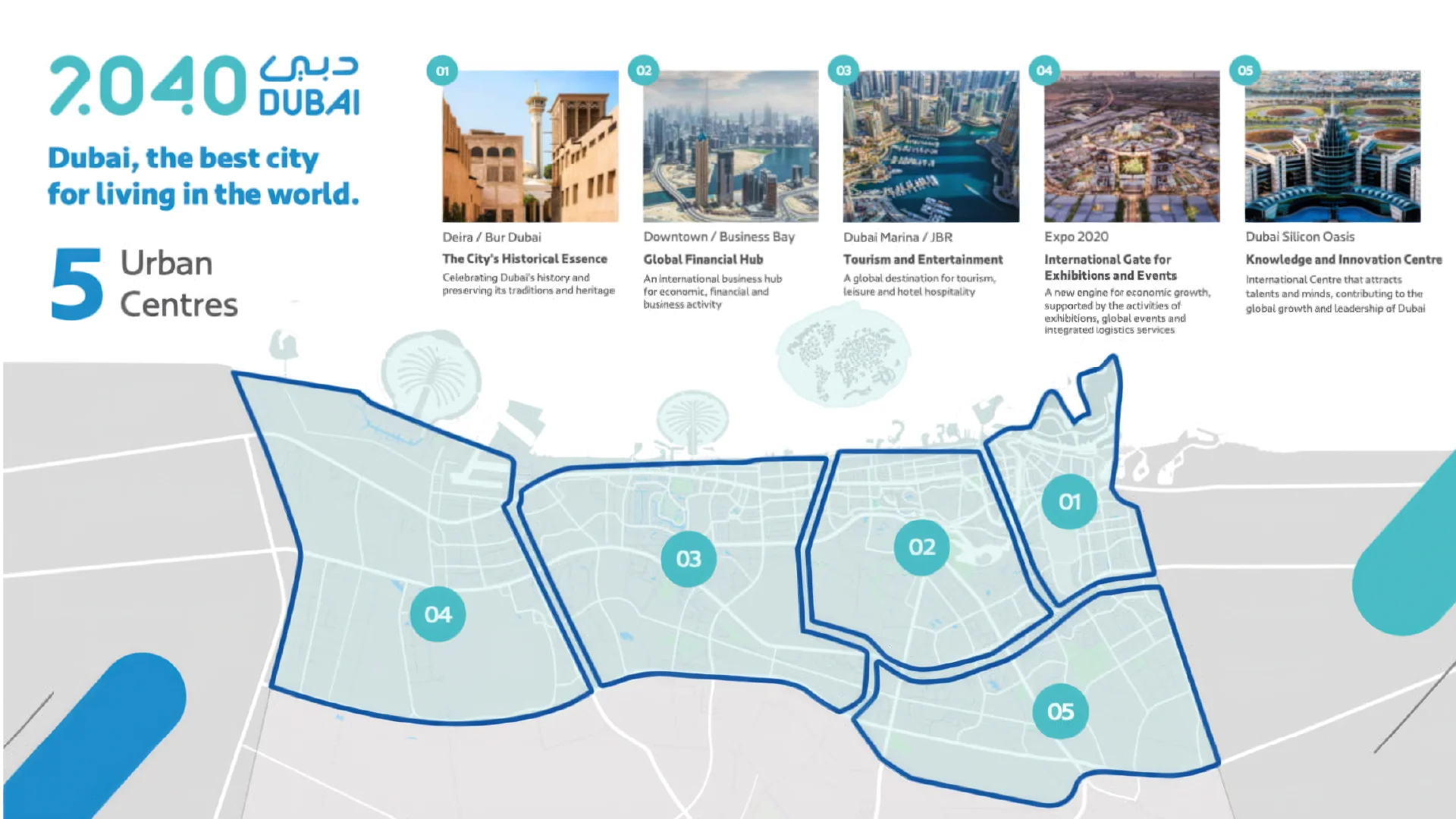
Launched in March 2021, the Dubai 2040 Urban Master Plan outlines how the emirate plans to manage urban growth over the following two decades. It focuses on residential areas, transport, public spaces and essential services.
Key goals include:
These goals highlight the role that neighbourhood planning plays in everyday life. Access to parks, schools, healthcare, shops and public transport can influence where people choose to live, while connected communities can make daily journeys more convenient.
As Dubai’s population grows, housing development will need to be supported by suitable infrastructure and community facilities. For buyers and investors, the plan offers insight into how the city’s residential areas may develop and what to consider beyond the property itself.
Launched in 2023, Dubai Economic Agenda D33 is a long-term economic strategy designed to double the size of Dubai’s economy by 2033 and position the emirate among the world’s top three global economic cities. It focuses on expanding international trade, attracting foreign investment, accelerating digital transformation and supporting innovation and business growth across multiple sectors.
As businesses expand and new companies establish operations in Dubai, demand for office space and skilled professionals may grow. New employment opportunities could attract more professionals and families to the emirate, supporting demand for rental properties and homes for purchase, from apartments near business districts to larger homes in family-orientated communities. The extent of this growth will depend on population trends, available property supply and overall market conditions.
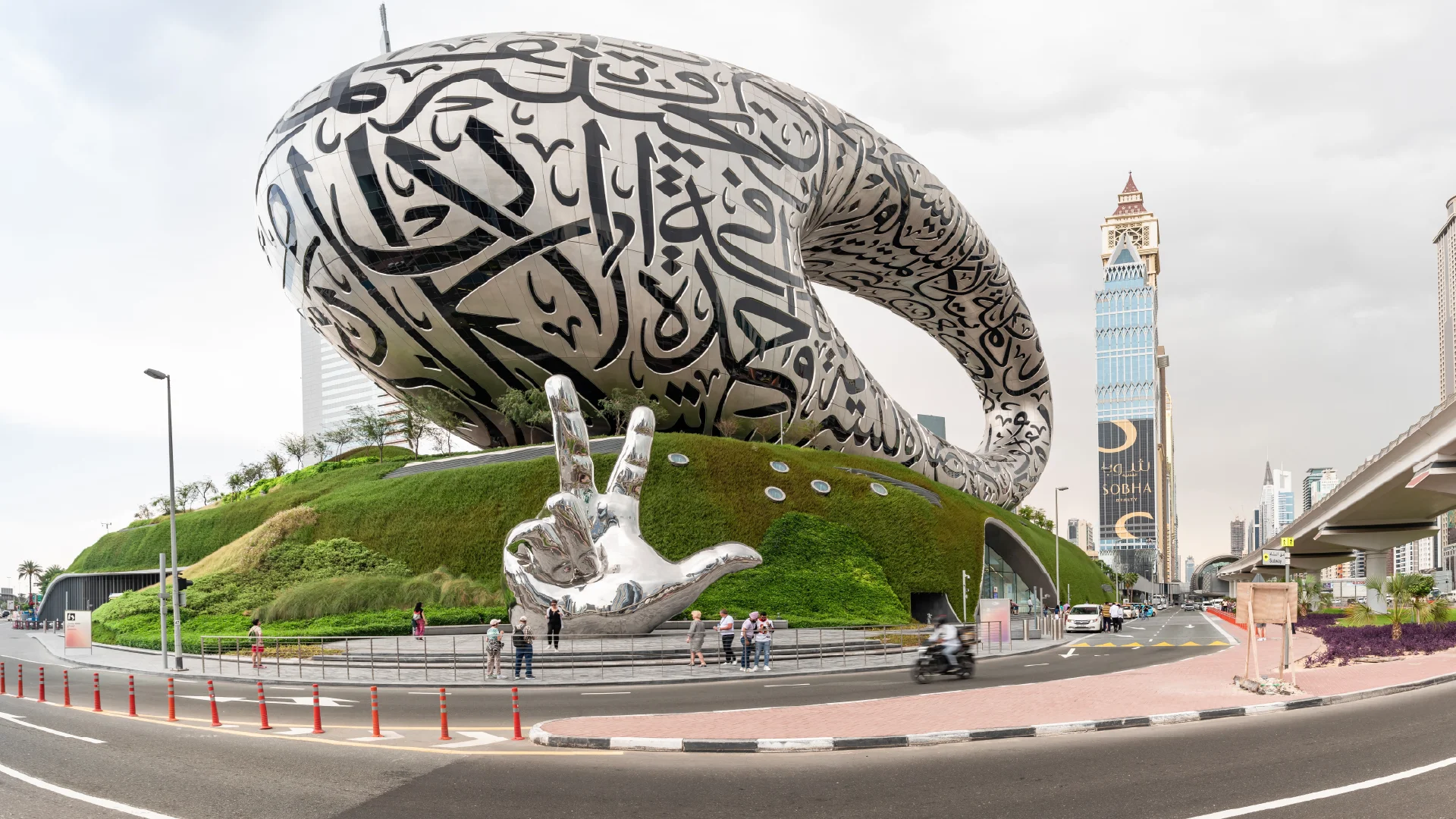
Launched in 2017, UAE Centennial 2071 is a 50-year national plan designed to prepare the country for future generations. It focuses on education, a knowledge-based economy, future-ready government and social wellbeing, with the broader aim of strengthening the UAE’s long-term development.
Looking ahead to 2071, the plan highlights the importance of preparing for future generations. In the context of real estate, this brings attention to homes and communities that can meet changing needs over time, including:
For buyers and investors, these considerations can help assess a property’s long-term suitability alongside its location, price, construction quality and ongoing costs.
The UAE’s Shift Towards a Diversified Economy
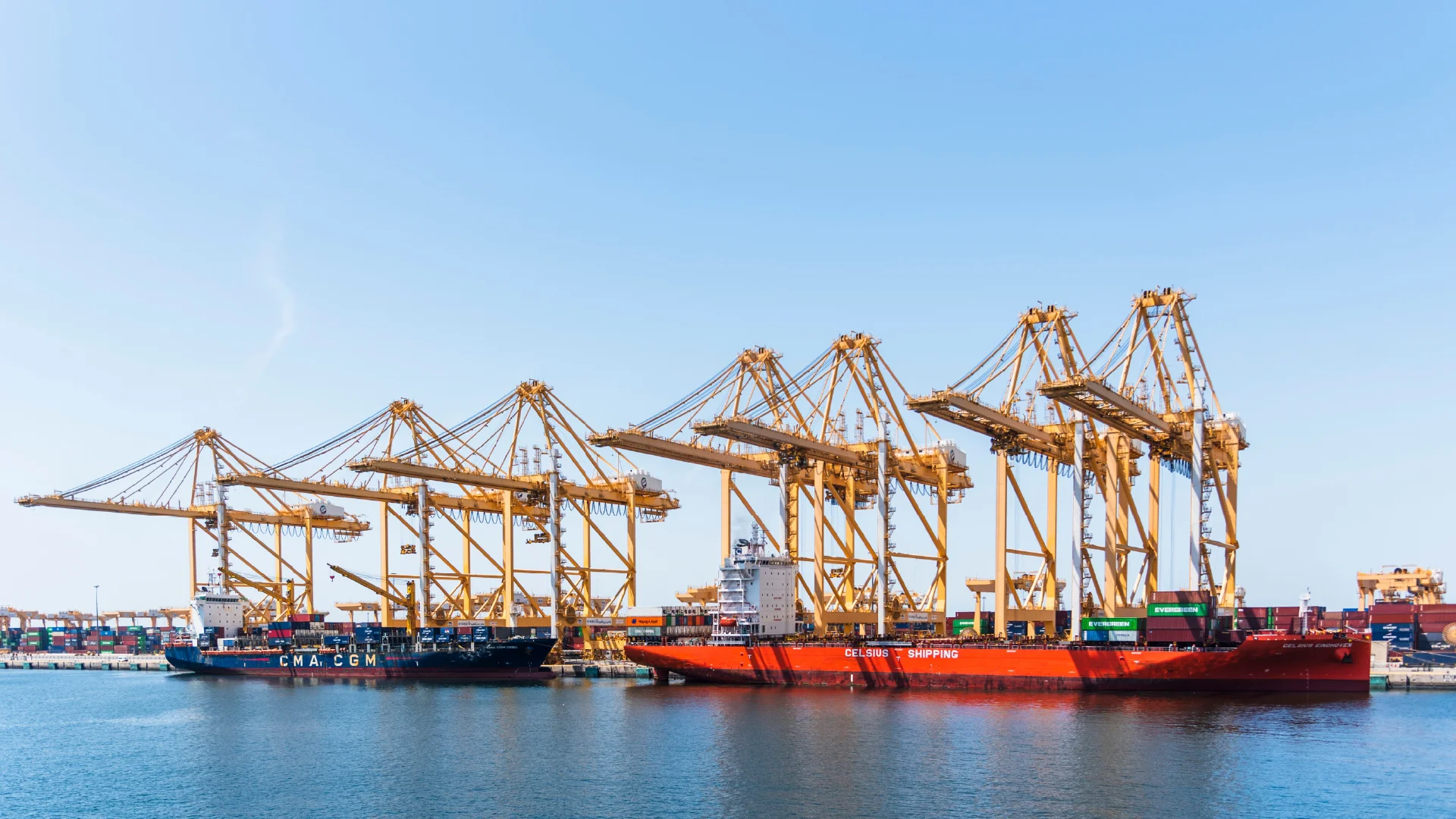
The UAE continues to diversify its economy beyond oil, with growth across sectors such as tourism, finance, logistics, technology, trade, education and professional services. Dubai’s D33 agenda supports this direction by promoting international investment, innovation and economic growth.
Economic diversification can create opportunities across several areas:
For residents, these developments can bring new employment opportunities, services and lifestyle options. For businesses and investors, they create potential opportunities across different sectors, although outcomes will depend on market conditions, demand and location.
By building a more diversified economy, the UAE aims to strengthen its long-term resilience and global competitiveness, with implications for how its cities grow, work and live.
Dubai Population Growth Projections to 2050
Dubai’s population is expected to grow over the coming decades, making future population projections an important part of understanding the emirate’s housing and urban development needs.
| Year | Dubai Population Outlook | What this could mean for Real Estate |
|---|---|---|
| 2030 | 5.2 million residents projected under Dubai’s 2040 Urban Master Plan. Gulf News | Continued planning for housing, transport connections, schools and everyday amenities as the population grows. |
| 2040 | 7.8 million residents projected under the plan, compared with 3.3 million in 2020. Dubai 2040 | Increased focus on well-connected residential communities, reliable transport links and convenient access to everyday amenities. |
| 2050 | Approximately 15.4 million World Health Organization | Further growth in housing demand and the need for supporting infrastructure and community facilities. |
Looking ahead, Dubai’s population growth may shape demand for different types of homes depending on household sizes, budgets and preferred locations. An increase in smaller households could raise demand for apartments, while growing family households may create greater demand for larger properties.
How these needs develop will also depend on the availability and affordability of suitable homes. While population projections offer insight into Dubai’s future housing needs, actual demand will depend on housing affordability, new property supply and changing preferences across residential communities.
Dubai Real Estate Outlook: What These Plans Mean for Residents and Investors
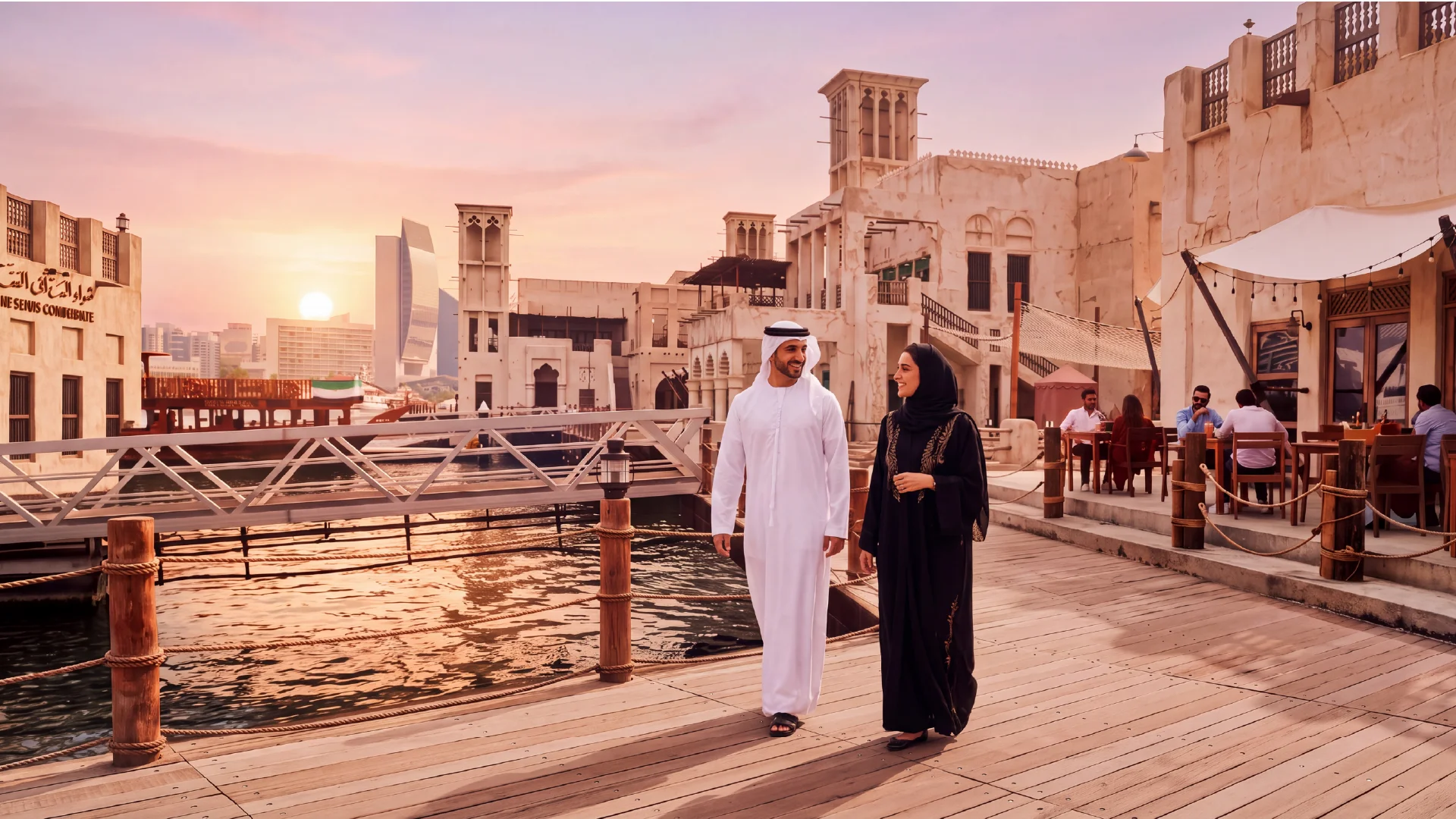
Dubai’s development plans point towards a city where housing, infrastructure, transport and community amenities are increasingly planned together. As new areas develop and existing neighbourhoods evolve, the outlook for residents and investors will depend less on a property in isolation and more on how well it fits into its wider surroundings.
For residents, the focus is on everyday quality of life. Families may prioritise space and nearby schools, while professionals may value shorter commutes and easy access to business districts. Those seeking a quieter lifestyle may prefer established neighbourhoods with green spaces and recreational facilities. As planning becomes more integrated, areas that bring these elements together may become more attractive for daily living.
For investors, the focus is on location, demand and long-term suitability. New infrastructure and employment centres can shape the appeal of surrounding areas, although the effects vary by project and location. Before deciding, investors should assess rental demand, property supply, purchase costs, service charges, maintenance costs and potential vacancy periods.
Looking ahead, these factors are worth weighing when evaluating Dubai real estate:
Dubai’s development plans offer a useful framework for understanding where the city is heading. Even so, individual property decisions should also reflect current market conditions and the specific characteristics of each development.
Sustainability and Clean Energy: Building a Greener UAE
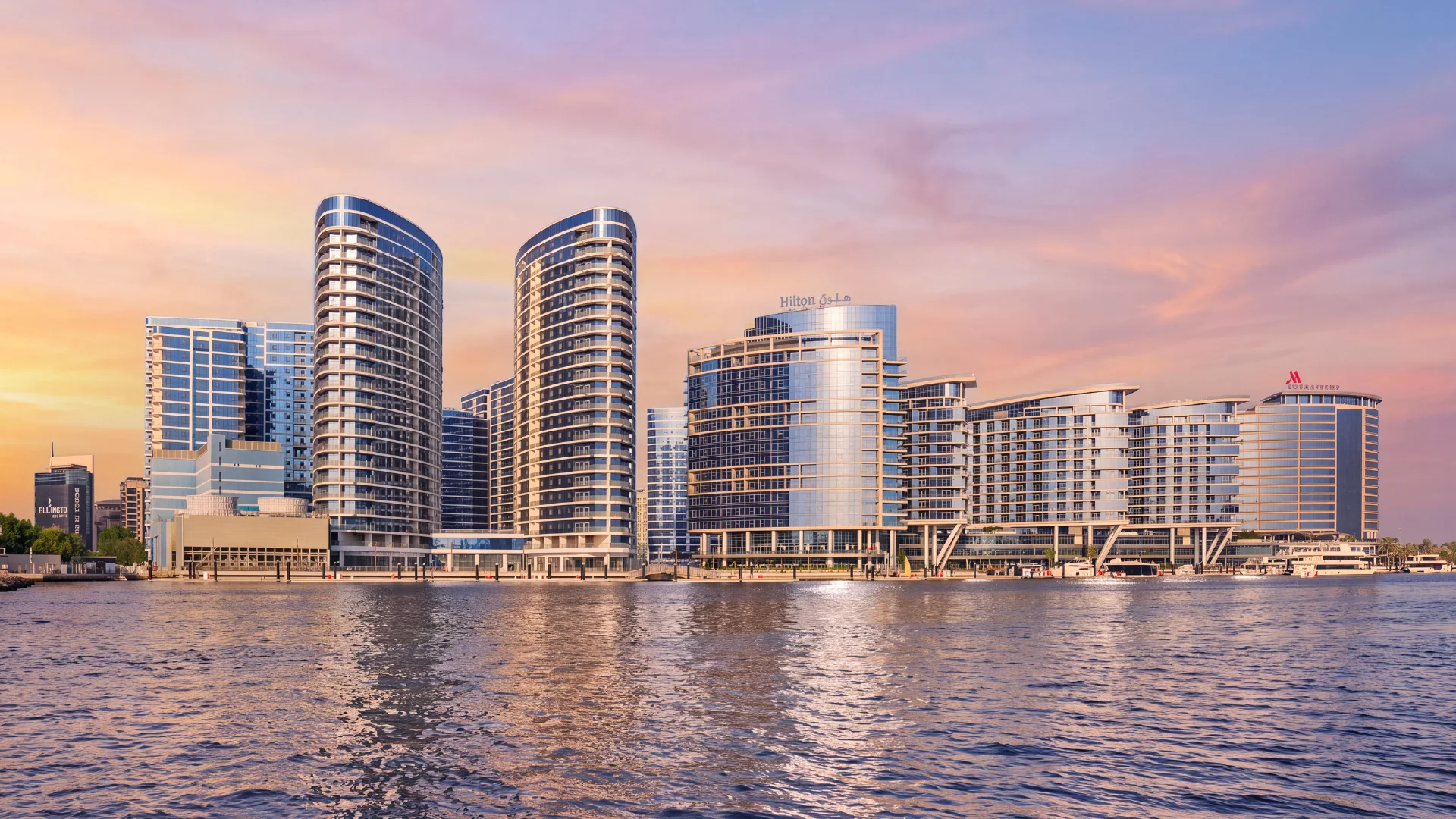
Sustainability sits at the heart of the UAE’s long-term vision. The updated UAE Energy Strategy 2050 aims to triple the contribution of renewable energy by 2030, with national investments of AED 150–200 billion planned over the same period. These efforts support the broader UAE Net Zero 2050 strategy, which aims to achieve net-zero greenhouse gas emissions by 2050.
In Dubai, these priorities extend to urban planning, green spaces and sustainable transport. Within real estate, energy-efficient cooling, better insulation and water-saving systems can help reduce resource consumption and running costs. Green spaces, shaded walkways and access to public transport can also encourage more sustainable lifestyles and make communities more comfortable to live in.
For buyers and investors, the UAE Net Zero by 2050 target provides useful context when assessing a property's long-term sustainability. Energy efficiency, construction quality, water consumption and ongoing operating costs are all practical factors to consider when comparing properties and evaluating their potential long-term value.
Space and Advanced Technology: The UAE’s Next Frontier
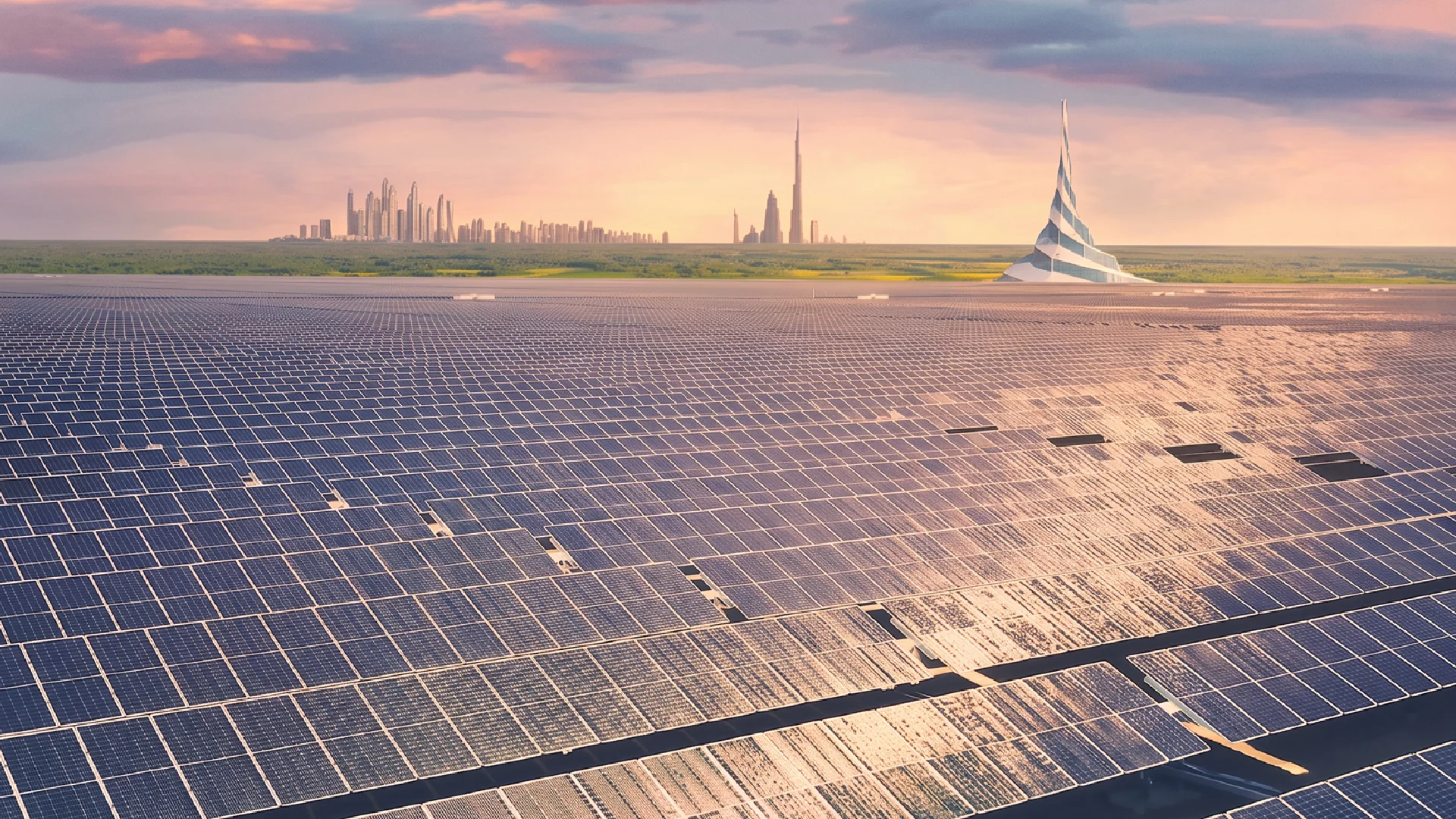
The UAE’s ambitions in space exploration, artificial intelligence and advanced technology reflect its focus on innovation and future-ready industries. Space initiatives such as the Hope Probe, the Rashid Rover lunar programme and the Mars 2117 project demonstrate the country’s commitment to scientific research and technological advancement. While these developments may seem separate from residential property, they can influence the wider economy, the skills required in the workforce and the way cities are designed and managed.
This focus on innovation is also reflected in urban development. In the 2026 IMD Smart City Index, Dubai ranked sixth globally and Abu Dhabi tenth, making the UAE the only country with two cities in the global top 10. The rankings highlight how technology, infrastructure and public services contribute to the urban experience.
As technology-related sectors expand, they may contribute to demand for offices, research facilities and housing near employment centres. For Dubai’s residential market, the growth of digital services and connected infrastructure may also shape expectations around homes and surrounding communities.
Smart building systems can help manage lighting, cooling, security and maintenance, depending on the technology installed. Digital property services may make it easier for residents and owners to manage payments, maintenance requests and other routine tasks. At a broader level, data-led planning can help cities understand how infrastructure and services are being used and where improvements may be needed.
Technology alone does not determine whether a property is a good choice. Reliability, privacy, ease of use, maintenance and long-term costs remain important considerations. However, as the UAE continues to invest in innovation, technology may become a more visible part of how residential buildings are designed, managed and experienced.
Fact Box
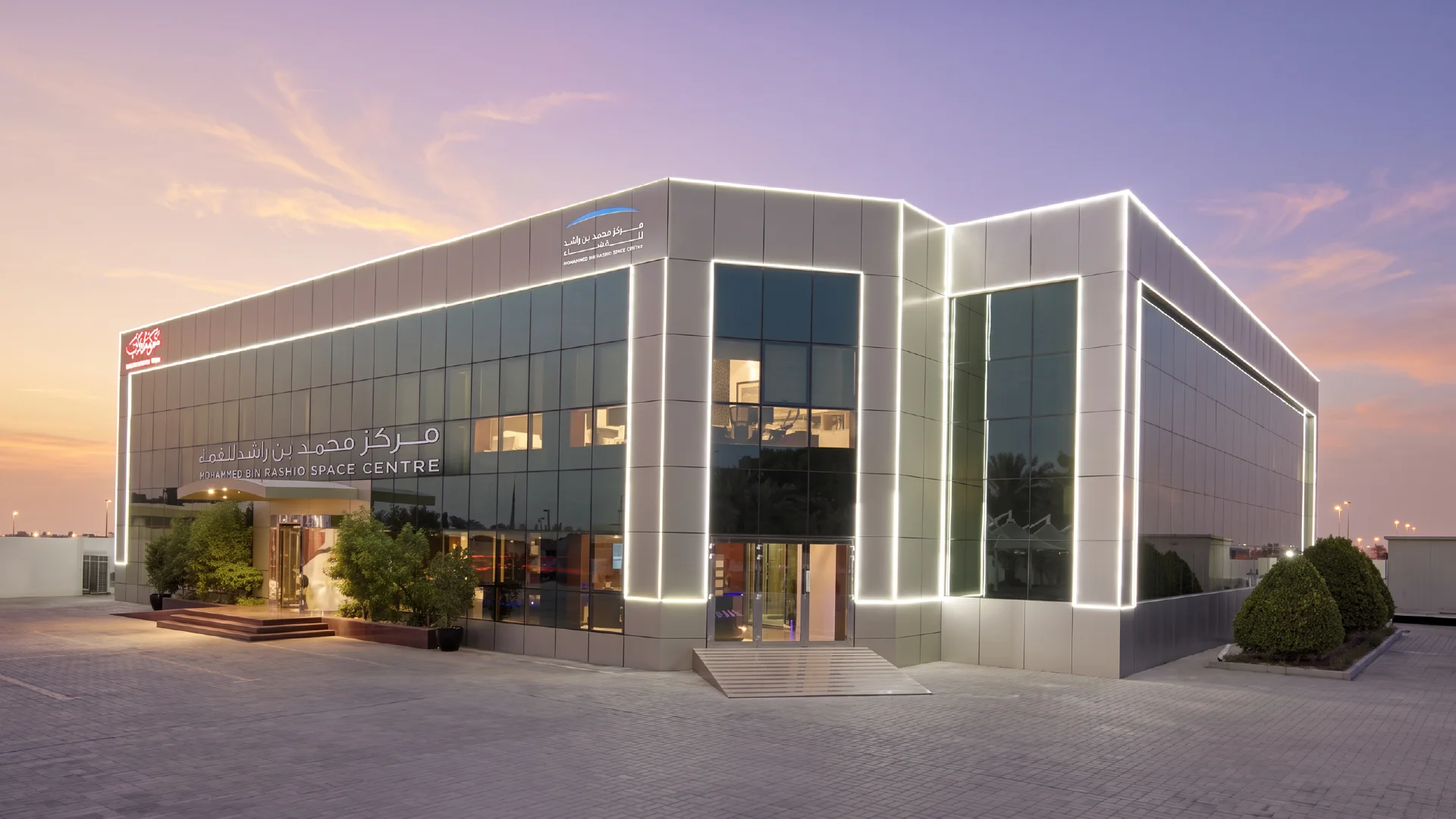
The UAE has set an ambitious goal for space exploration: establishing a human settlement on Mars by 2117. Through its Mars 2117 initiative, the country aims to develop the scientific knowledge and technologies needed for long-term human life beyond Earth. [Source: UAE Government Portal]
Why the UAE’s Future Makes Dubai a Place to Live and Invest
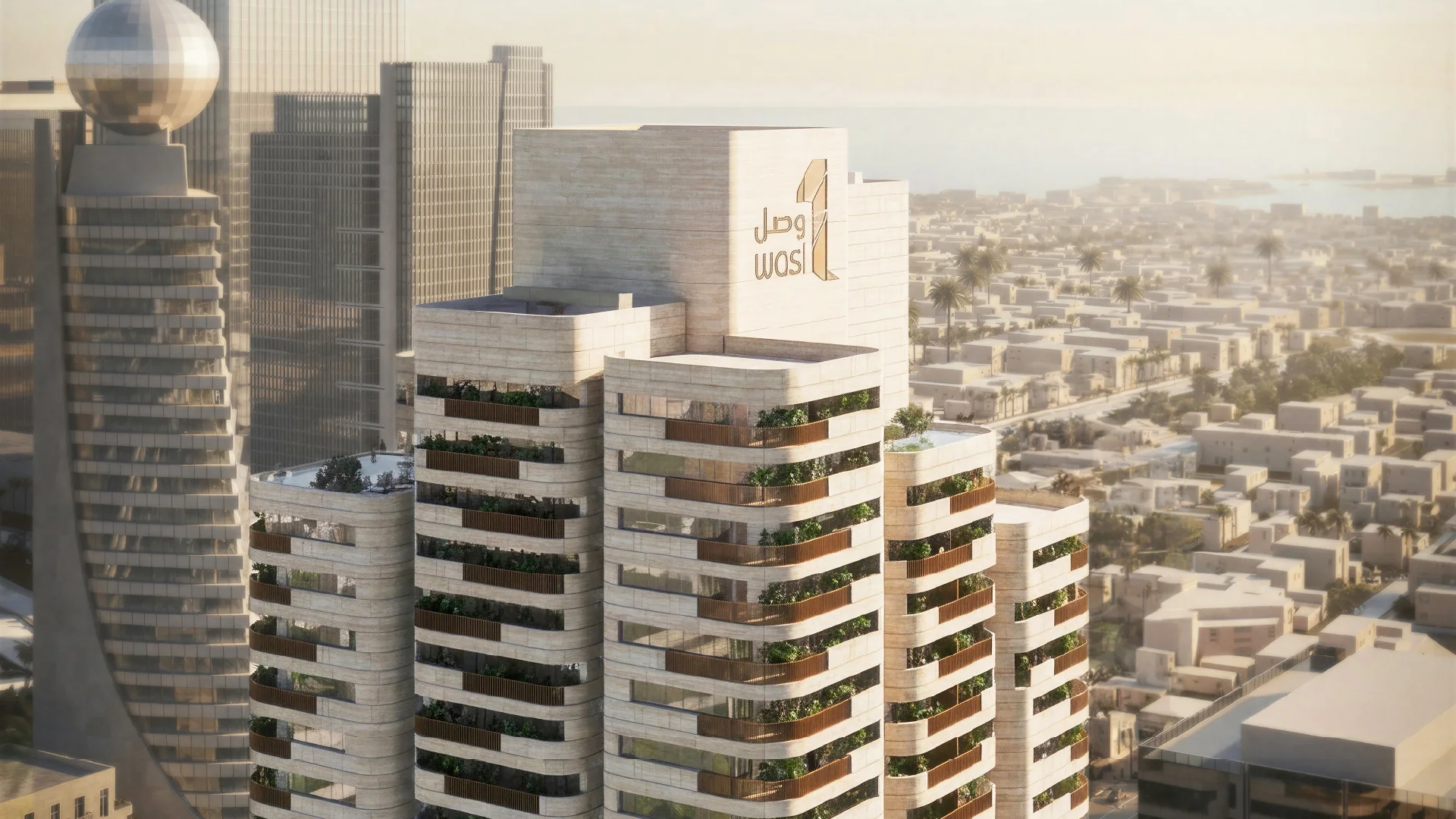
Dubai’s appeal comes from how its plans work together. Its economy is expanding into new sectors, its infrastructure is being developed to support a growing population, and its neighbourhoods are being planned around green spaces, transport links and everyday services. Developers such as Wasl contribute to this evolving landscape through residential communities and properties designed to meet different housing needs.
For those choosing a home, this means a wide range of communities to suit different stages of life, from apartments close to business districts to family neighbourhoods near schools and parks. Wasl’s residential portfolio spans communities across Dubai, so residents can find a home and setting that suits them. For those looking at property over the longer term, the city’s development plans provide useful context for understanding how infrastructure, amenities and neighbourhood growth may influence future demand.
Plans and projections are a starting point, not a guarantee. The right choice still depends on the specific community, current market conditions and what suits each household’s needs.
FAQs
The key plans include We the UAE 2031, the Dubai 2040 Urban Master Plan, Dubai Economic Agenda D33 and UAE Centennial 2071. Together they set priorities for economic growth, urban planning, sustainability and future generations.
The plan focuses on more green spaces, better transport and easier access to schools and healthcare. Neighbourhoods that bring these together may become more attractive to residents over time.
Growth in sectors such as tourism, finance, logistics and technology can attract businesses and professionals. This may support demand for rental homes and properties for purchase, depending on supply and market conditions.
Under the UAE Net Zero 2050 strategy, energy efficiency is becoming more important. Features such as efficient cooling, better insulation and water-saving systems can help lower running costs.
Dubai’s growth could create more housing options as new residential developments emerge. However, buyers should consider affordability, financing options, service charges and long-term housing needs.
Dubai will need to balance population growth with housing availability, affordability and variety, while ensuring new developments have adequate transport links, schools, healthcare and other essential services.
New transport links, roads and public facilities could increase the appeal of nearby properties. However, the impact on property values will depend on location, housing supply and market conditions.