


Image


Summary
Choosing between a villa and a townhouse in Dubai isn’t just about size or price, it’s about how you want to live and how you want your property to perform.
Villas offer privacy, land ownership and long-term prestige, while townhouses strike a balance between space, community living and affordability.
Whether you’re buying a family home or investing for rental returns, understanding the real differences helps you make a smarter, more aligned decision.
Table of Content:
What Is a Villa?
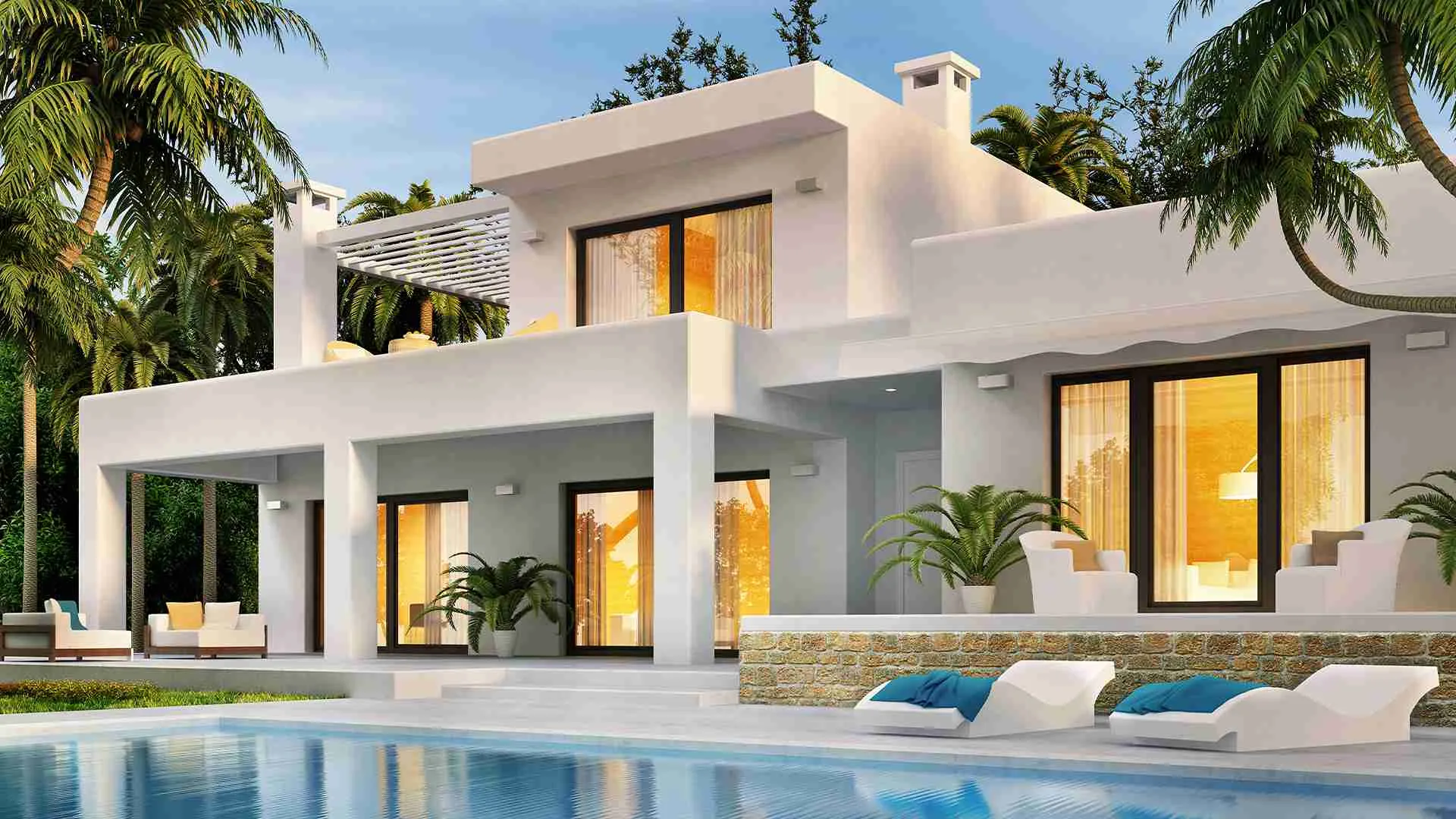
A villa is a standalone or semi-detached home built on its own plot of land, designed to prioritise space, privacy, and independence. In Dubai, villas are synonymous with expansive living, typically ranging from around 2,000 sq. ft. for entry-level family villas to 10,000+ sq. ft. for luxury residences, depending on the community and plot size.
These homes are known for their generous layouts, multiple living areas and seamless indoor-outdoor flow, often complemented by private gardens, terraces, and swimming pools. With two or more floors and ample outdoor space, villas naturally appeal to growing families and high-net-worth buyers who value privacy, long-term comfort and an exclusive lifestyle away from high-density living.
What Is a Townhouse?
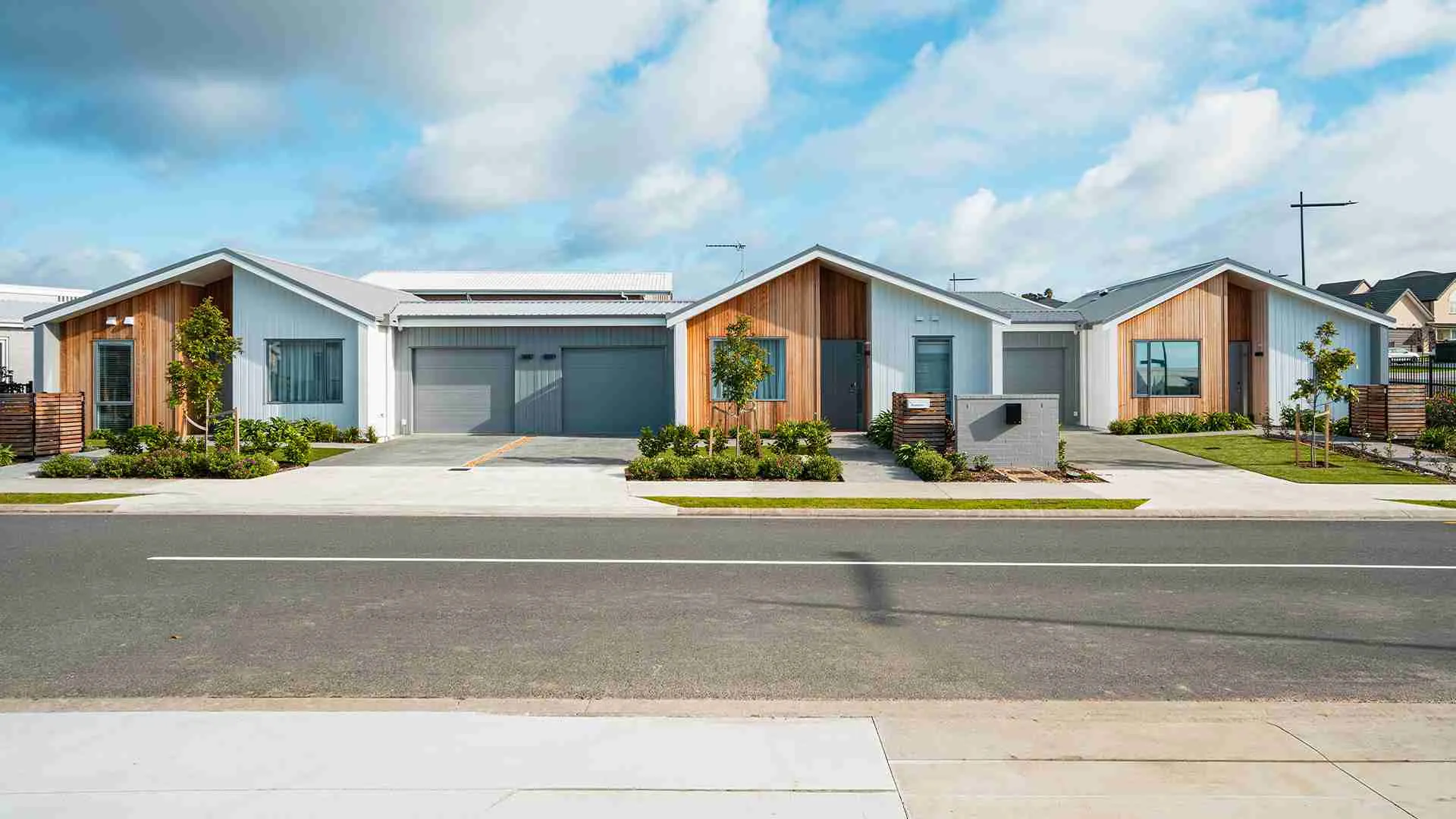
A townhouse is a multi-level residential home that shares one or more walls with neighbouring units, typically located within a master-planned or gated community. In Dubai, townhouses are thoughtfully designed to bridge the gap between apartments and villas, offering space, functionality and community living without the higher costs of standalone homes.
Most townhouses in Dubai range between approximately 1,600 sq. ft. and 3,500 sq. ft., depending on the developer, community and number of bedrooms. They usually feature private entrances, multiple floors, outdoor terraces or compact gardens and dedicated parking bays directly in front of the unit.
This balance of space, convenience, and managed upkeep makes townhouses a strong choice for young families, first-time buyers and investors looking for efficient layouts and steady rental demand in well-connected neighbourhoods.
Villa vs Townhouse: What’s the Difference?
What’s the key takeaway here? Villas prioritize space and individuality; townhouses prioritize efficiency and consistency.
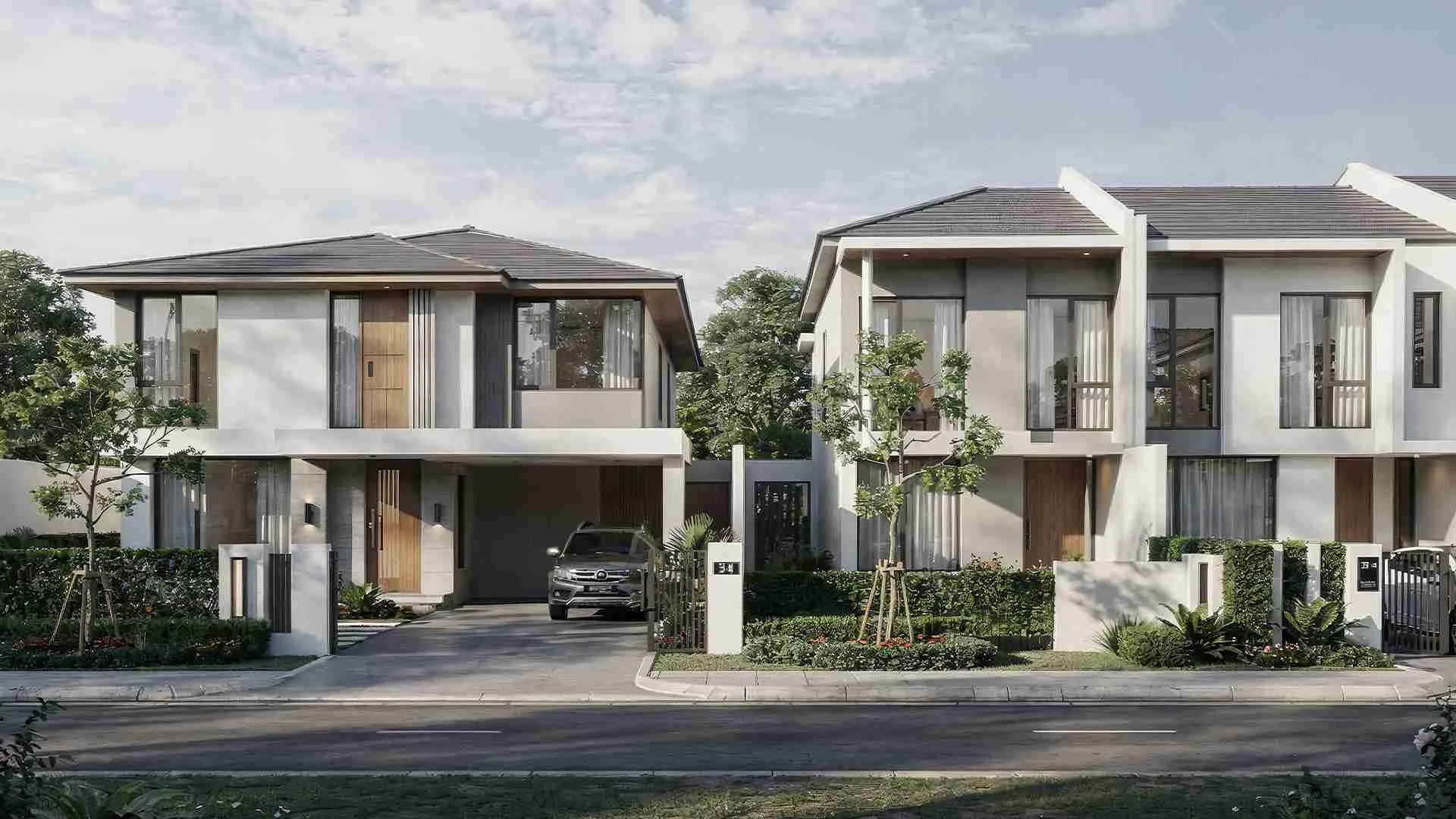
Privacy is one of the biggest differentiators.
What’s the key takeaway here? For buyers who value quiet living and outdoor autonomy, villas clearly lead. For those comfortable with community-style living, townhouses remain a strong option.
From both a buyer and investor lens, costs matter beyond the purchase price.
Note that, townhouses consistently offer a lower entry point than villas across most communities, making them attractive to first-time buyers and yield-focused investors.

Lifestyle preferences often become the deciding factor when choosing between a villa and a townhouse, because each offers a very different day-to-day experience.
In essence, townhouses tend to foster a stronger “neighborhood” feel, while villas offer a more independent, resort-style lifestyle.
From an investment lens, this difference also matters: townhouse communities often benefit from broader tenant demand and faster turnover, while villa communities attract longer-term occupants and lifestyle-driven buyers, supporting capital appreciation over time.

From an investment standpoint, both property types perform differently.
Did you know? CBRE reports that low-rise residential assets, including townhouses, have seen rising demand as buyers move away from high-density living, supporting both rental and resale performance.

Ideal For Whom
Villas are ideal for:
Townhouses are ideal for:

Fact Box

Conclusion
There’s no universal winner in the villa vs townhouse debate, only what works best for your goals. Villas deliver privacy, prestige and long-term capital strength. Townhouses offer balance, affordability and efficient living with solid rental performance.
In Dubai’s diverse property market, both options play a powerful role, it’s simply about choosing the one that aligns with where you are now and where you’re headed next.
FAQs:
What is the difference between townhouses and villas?
The key difference between a townhouse and a villa lies in structure, privacy, and land ownership. Villas are usually standalone or semi-detached homes built on their own plots, offering larger layouts, private gardens and higher privacy.
Townhouses are multi-level homes that share one or more walls with neighboring units and are typically part of master-planned communities. While villas focus on space and exclusivity, townhouses balance affordability with access to shared amenities. In Dubai, both are popular but appeal to different lifestyles, budgets and investment goals.
Is a townhouse a villa?
No, a townhouse is not considered a villa, despite some visual similarities. Villas are detached properties with their own land and greater privacy, while townhouses share side walls with neighboring units.
Is a villa like a townhouse?
While villas and townhouses may share features such as multiple floors and private entrances, the living experience differs. Villas offer greater privacy, larger plots and minimal shared boundaries, creating a more independent, resort-style lifestyle. Townhouses emphasize community living, with shared amenities like parks and pools and closer proximity to neighbors. Villas suit buyers seeking space and seclusion, while townhouses appeal to those who value connection and convenience within a managed community.
Is it good to buy a townhouse in Dubai?
Yes, townhouses are a strong option for both end-users and investors in Dubai. They are more affordable than villas, making them accessible to first-time buyers and families. From an investment perspective, townhouses benefit from consistent rental demand in communities. Lower maintenance costs and community amenities support stable occupancy and long-term appeal, making them a balanced choice for lifestyle and income-focused buyers.
Why are they called townhomes?
The term “townhome” originates from urban housing models where homes were built close together within towns to maximize space efficiency. These homes offered individual ownership while maintaining a compact footprint. Today, “townhome” and “townhouse” are used interchangeably to describe multi-level residences with shared walls and private entrances. The name reflects their community-oriented design rather than their geographic location.
Which is better, a townhouse or a condo?
Neither option is universally better; it depends on budget, lifestyle, and goals. Townhouses offer more space, private entrances and outdoor areas, making them ideal for families and long-term residents. Condos are typically more affordable, easier to maintain and often located in high-density urban areas. For investors, condos may offer higher liquidity, while townhouses attract longer-term tenants. The right choice depends on priorities such as space, convenience, or rental strategy.