


Image


Summary
Dubai’s real estate sector is governed by a rapidly evolving legal framework designed to strengthen investor confidence, improve transparency, and enhance buyers’ rights protections. The latest new UAE laws reinforce buyer protection across both off-plan and ready property markets, ensuring clearer rights of the buyer of property, stronger escrow oversight, and more efficient regulatory enforcement.
For investors, this means reduced risk exposure, improved dispute handling, and a more secure environment supported by strict escrow account regulations and robust oversight from regulatory authorities such as the Dubai Land Department. These reforms continue to position Dubai as a global hub for stable and high-performing real estate investment.
Table of Contents
Overview of the Latest UAE Real Estate Laws
The real estate law framework in Dubai has undergone continuous refinement to ensure long-term market sustainability and investor protection. These updates focus on enhancing transparency in transactions, strengthening contractual obligations, and safeguarding investor capital across all property segments.
A key objective of the new UAE laws is to reinforce trust in the system by ensuring that every stage of property investment, from purchase to completion and handover, is legally protected. This includes stricter oversight of developers, mandatory registration requirements, and enhanced financial safeguards for buyers.
From an investment standpoint, these reforms reduce uncertainty and improve confidence in both off-plan and ready property markets, making Dubai one of the most secure real estate destinations globally.

Key Legal Updates Strengthening Buyer Rights
Dubai’s real estate framework continues to evolve with reforms that place greater emphasis on investor protection and market accountability. These updates are designed to ensure buyers have stronger legal standing even after property handover. Overall, they contribute to a more secure and transparent investment environment across the sector.
Recent legal updates provide buyers with extended timeframes to raise claims related to structural defects or construction issues. This significantly strengthens buyers’ right protections and ensures that investors are not left exposed after handover. It enhances long-term asset security, particularly for investors holding properties for rental income or capital appreciation.
Buyers now benefit from a wider range of legal remedies, including compensation, contract termination in specific cases, and enforced developer obligations. These improvements strengthen buyer protection and give investors more flexibility when resolving disputes or addressing non-performance by developers.

Off-plan investments are now governed by stricter compliance rules, ensuring funds are released only in line with construction progress. This reinforces the new UAE laws which are designed to reduce project delays and protect investor capital, making off-plan properties more secure and predictable for long-term investors.
The UAE has streamlined property-related legal procedures through faster and more structured dispute resolution processes. Specialized tribunals and digital case systems reduce delays, enabling investors to resolve conflicts more efficiently and with greater legal clarity.
Property ownership continues to be linked with residency eligibility, strengthening Dubai’s appeal to international investors. Additionally, the UAE’s decision to lower the legal adulthood age to 18 expands eligibility for younger investors, allowing early participation in real estate investment and increasing market accessibility.

Key Pillars of Buyer Protection in UAE Real Estate
The UAE real estate market is supported by a robust legal framework designed to protect investors at every stage of the property journey. These protections are built around key pillars that ensure financial security, legal clarity, and accountability across all transactions. From safeguarding buyer funds and enforcing developer responsibility to ensuring clean title transfers and structured safeguards for cancelled projects, these measures collectively create a transparent and resilient investment environment.
One of the strongest safeguards in the market is the escrow account regulations system. Investor funds are held in regulated accounts and released only based on verified construction milestones. This ensures capital protection and significantly reduces the risk of project misuse or abandonment.
Developers remain legally responsible for hidden defects discovered after handover. This reinforces home buyers rights after settlement, ensuring that investors maintain protection even after taking ownership. It is a key factor in maintaining long-term asset value.
Before any property transfer, mandatory verification processes ensure that ownership is legally clear and properly registered. This eliminates risks related to disputes, duplication, or incomplete documentation, strengthening overall market integrity.
In cases where projects are cancelled, investors are entitled to structured refund mechanisms governed by regulatory authorities. These protections ensure transparency and reduce financial losses, particularly in off-plan developments.

Regulatory Authorities Overseeing Real Estate in the UAE
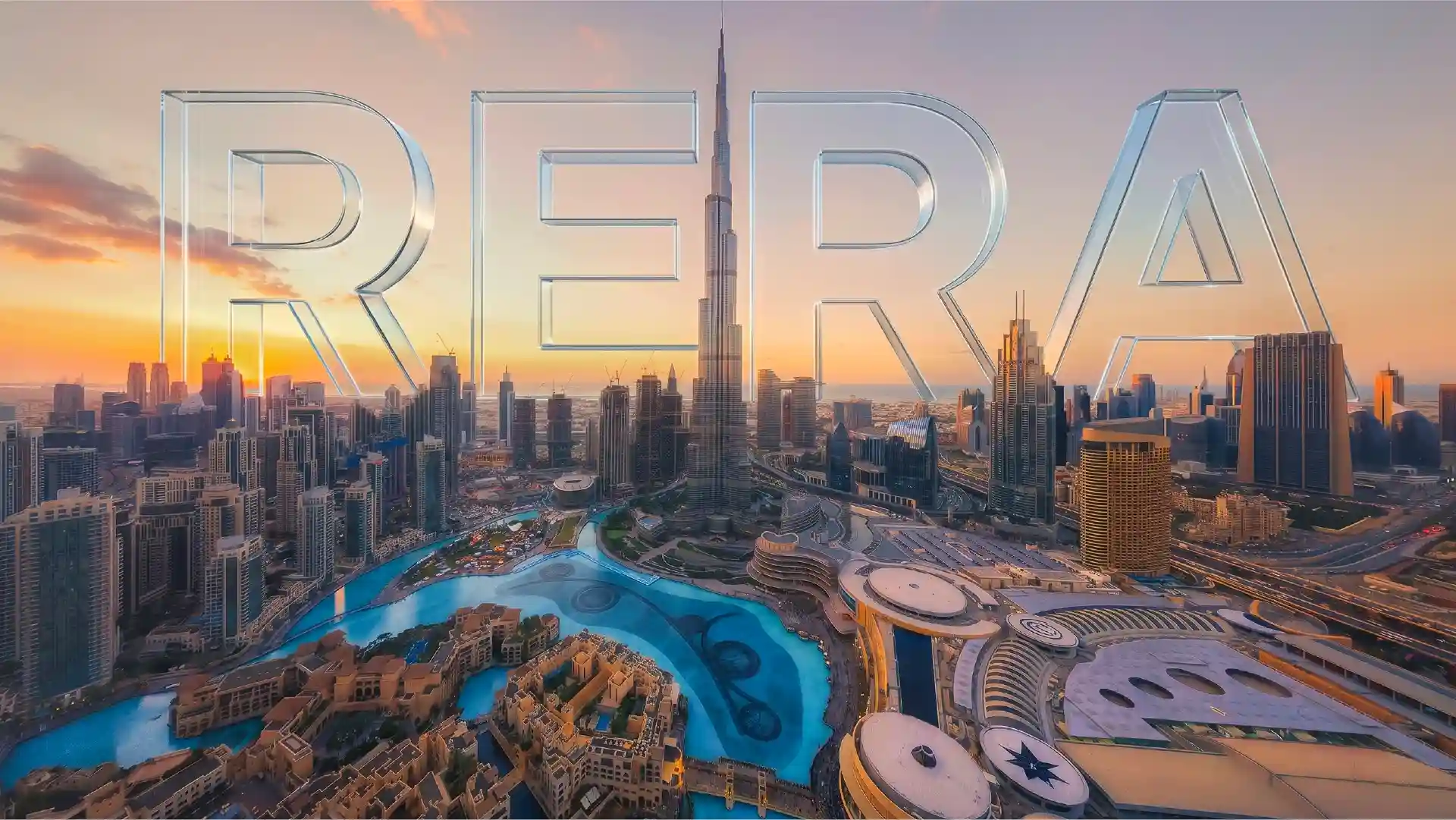
The UAE real estate sector is governed by a well-structured regulatory framework designed to ensure transparency, compliance, and strong investor protection across all property transactions. Key authorities such as RERA and the Dubai Land Department work together to regulate market activity, oversee legal processes, and safeguard the rights of buyers and developers. Their combined oversight ensures that real estate practices remain fair, well-regulated, and aligned with international standards, supporting sustained confidence from both local and global investors.
The primary governing body in Dubai is the Dubai Land Department (DLD), which is responsible for property registration, transaction validation, and overall regulatory supervision, while RERA (Real Estate Regulatory Agency) operates under its umbrella to regulate developers, projects, and escrow compliance. Together, these institutions ensure that real estate law in Dubai is properly enforced, reinforcing a secure and transparent investment environment. Their ongoing oversight plays a critical role in maintaining market stability and strengthening buyer protection standards across the sector.
Why Investor Confidence in UAE Real Estate Is Growing
Investor confidence in the UAE real estate market is rising due to stronger regulations, improved transparency, and clearer ownership frameworks. Enhanced legal protections, mandatory registration, and investor-friendly policies such as residency linked to property ownership have made the market more secure and predictable. These factors, combined with efficient dispute resolution systems, continue to attract both local and international investors seeking long-term stability.
All property transactions must be officially registered, ensuring legal ownership clarity and reducing the risk of fraud. This strengthens investor trust and supports long-term market transparency.
Developers are required to disclose project timelines, financial structures, and construction updates. This transparency allows investors to make informed decisions and reduces uncertainty in off-plan investments.

The ability to obtain residency through property investment remains a key driver of foreign demand. It strengthens long-term investor commitment and supports sustained market growth.
Clear and structured legal frameworks for handling disputes ensure faster resolution and stronger enforcement of contracts. This enhances confidence in the reliability of Dubai’s property market.

Fact Box
Impact on Buyers and Investors
Stronger regulatory oversight in the UAE real estate market is directly improving outcomes for both buyers and investors. With tighter controls on developer practices, enhanced escrow protections, and clearer legal frameworks, the market has become significantly more secure and predictable. These improvements not only reduce risk exposure but also encourage higher participation from international investors seeking stable, long-term returns in a well-regulated environment.
Stronger regulations reduce exposure to fraud, delays, and non-completion risks, making Dubai a more secure environment for real estate investors.
Enhanced escrow systems and milestone-based payments reduce financial risk in off-plan developments, increasing investor confidence.
Clear buyer’s rights protections and residency incentives continue to attract international capital into the UAE real estate market.
Regulatory enforcement and transparency measures ensure long-term stability, reducing volatility and supporting consistent returns.

Conclusion
The evolution of new UAE laws continues to strengthen investor protection, transparency, and legal certainty in the real estate sector. With robust enforcement of buyer protection frameworks, clearer rights of the buyer of property, and efficient dispute resolution processes, Dubai remains one of the most secure global destinations for property investment.
Backed by institutions like the Dubai Land Department and strict escrow account regulations, the market offers strong long-term fundamentals for both local and international investors.
FAQs
The 2% rule is a general investment guideline suggesting that monthly rental income should be around 2% of a property’s purchase price. While commonly referenced in global markets, it is not an official benchmark in Dubai. Investors instead rely on annual rental yields, which vary depending on location, demand, and property type, often ranging between 5% and 10%.
Dubai property prices are expected to remain stable in 2026, supported by strong economic fundamentals, population growth, and sustained foreign investment. While short-term fluctuations may occur in specific segments, the overall market outlook remains positive. The framework of new UAE laws continues to enhance stability and reduce speculative volatility.
Buyer behaviour is increasingly investment-focused, with greater attention on rental yields, capital appreciation, and developer reliability. Investors are also more aware of buyers' rights protections and legal safeguards. This shift reflects improved market maturity, digital access to data, and stronger regulatory oversight, enhancing informed decision-making.
In real estate, final settlement refers to the completion stage of a property transaction where ownership is officially transferred after all payments, fees, and compliance requirements are fulfilled. Under Dubai’s real estate law, this process is regulated by authorities such as the Dubai Land Department to ensure secure, transparent, and legally compliant transfer of ownership.
The main Dubai and UAE legal updates for 2026 include stronger escrow account protections, stricter developer accountability, enhanced transparency for off-plan property sales, faster dispute resolution processes, and a reduction in the legal age of adulthood from 21 to 18. This means individuals aged 18 and above can now independently enter contracts and undertake property-related transactions. Together, these reforms strengthen buyer protection, increase market transparency, and create a more secure real estate investment environment.