


Image

Summary:
The Dubai real estate market continues to demonstrate strong resilience and long-term growth potential, even as global and regional developments influence short-term sentiment. Rather than disrupting fundamentals, these shifts highlight the market’s maturity, with investors becoming more focused on long-term value, stable income, and prime location assets.
The UAE real estate market remains highly attractive due to its economic diversification, investor-friendly policies, and consistent global demand. As a result, Dubai continues to stand out as a secure and competitive investment destination with strong rental yields and sustained capital appreciation potential.
Overall, current conditions present a strategic environment for investors, where buying property in Dubai and investing in quality assets aligned with long-term Dubai real estate trends can unlock meaningful opportunities for growth and portfolio expansion.
Table of Contents
Geopolitics and Dubai Property Market
The Dubai real estate sector continues to demonstrate strong resilience and global appeal, even as international developments influence short-term sentiment across global markets. Rather than experiencing disruption, the UAE real estate market continues to reinforce its position as a stable and high-growth investment destination that consistently attracts global capital.
Supported by strong governance, economic diversification, and investor-friendly regulations, the Dubai property market remains a leading choice for building long-term wealth. Global investors continue to view Dubai as a secure and forward-looking hub where long-term fundamentals and infrastructure development drive sustainable performance.
In response to global developments, Dubai investors continue to take a strategic and long-term approach. Rather than reacting to short-term sentiment, buyers focus on portfolio positioning, income generation, and capital growth potential.
This is indicative of an established investment climate where stability, long-term value creation, and fundamentals serve as the guiding principles.
Dubai’s real estate market is becoming increasingly segmented, with clear differences in performance across primary vs secondary sales, villas vs apartments, and end-user vs investor demand. Recent transaction patterns from the Dubai Land Department show how strongly these divisions now shape market behaviour.
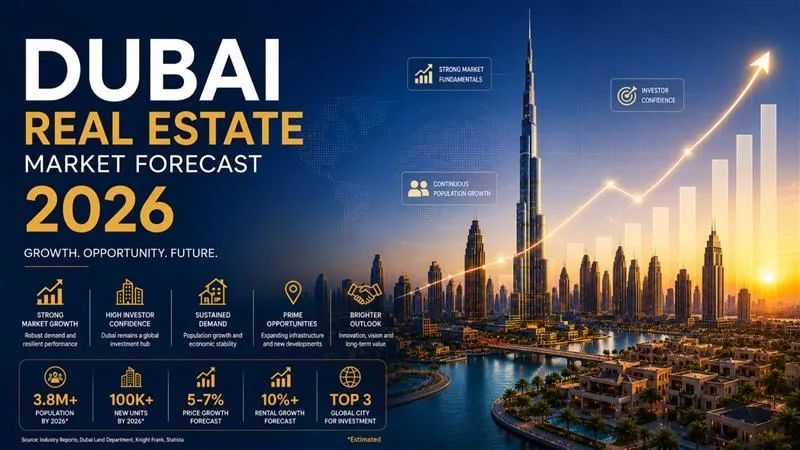
Off-plan (primary) sales continue to dominate market activity, typically accounting for around 60–70% of total transaction volumes in strong growth cycles, driven by developer incentives, payment plans, and capital appreciation potential. The secondary market consistently contributes around 30–40% of transactions, attracting buyers seeking immediate occupancy, rental income, and reduced delivery risk.
Apartments still represent the majority of transactions, making up around 70–80% of sales volume, supported by affordability and strong rental demand. However, villas and townhouses, while lower in volume, have recorded stronger price growth in recent years, often outperforming apartments by 5–10% annually in certain communities, due to limited supply and rising demand for larger homes.
End-users are increasingly focused on villas and townhouses in master-planned communities, prioritising lifestyle, schools, and long-term stability. Investors, on the other hand, remain concentrated in apartments, especially studios and 1–2 bedroom units, targeting gross rental yields typically in the 6–8% range in high-demand areas such as JVC, Dubai Marina, and Business Bay.
This reflects a maturing market where performance is increasingly driven by asset selection rather than broad market timing.
Short-Term Impact
Short-term dynamics in the Dubai property market reflect natural investor sentiment cycles rather than structural weakness. Temporary pauses in activity are typically followed by strong recovery phases driven by underlying demand.
During uncertain periods, transaction activity may experience short-term moderation as investors reassess timing and risk exposure. However, Dubai’s underlying demand fundamentals remain strong, supporting continued market resilience.
In 2025, Dubai recorded approximately 215,060 property transactions, reflecting a 19.6% year-on-year increase, demonstrating that even amid cyclical fluctuations, overall activity continues to trend upward rather than contract . Market data also shows that transaction volumes have expanded significantly over the medium term, rising from around 132,260 transactions in 2023 to over 179,000 in 2024, indicating sustained structural growth in market depth.
While monthly and quarterly performance may show temporary slowdowns driven by global macroeconomic uncertainty or geopolitical risk sentiment, the broader cycle remains expansionary, with Dubai consistently registering record-breaking annual activity levels.
Despite short-term fluctuations, Dubai’s property price trend data continues to demonstrate strong resilience and long-term upward momentum. Prime and luxury segments remain particularly stable, supported by constrained supply, strong end-user demand, and sustained international capital inflows.
Recent market analysis indicates that average prices have continued to rise steadily, with average price per square foot increasing from AED 1,757 in 2024 to AED 1,863 in 2025, reflecting approximately 6% annual growth . Over a longer horizon, Dubai residential prices have recorded double-digit annual growth, with some reports showing year-on-year increases of over 13% in 2025, driven by villas and premium communities outperforming broader segments.
Importantly, while growth rates have moderated compared to the post-pandemic surge, this deceleration reflects a normalisation phase rather than a correction, reinforcing the market’s transition into a more mature and stable growth cycle. Prime and luxury assets, in particular, continue to benefit from scarcity of supply and sustained demand from global investors, supporting price stability even during periods of wider market adjustment.
Investor sentiment in the UAE real estate market is still centred on stability and long-term growth. Transparency, yield performance, and capital appreciation remain top priorities for investors.
Both ready and off-plan properties are still in high demand. Income-focused investors are drawn to ready properties, whereas those seeking entry price advantages and capital appreciation are drawn to off-plan developments.
Rental demand remains strong across Dubai, supported by population growth, expatriate inflows, and a dynamic economy. This continues to strengthen rental yields and supports real estate investment in Dubai strategies.
Dubai Property Index and Price Movements
The Dubai Property Index is a key benchmark that tracks overall pricing performance and market movement across the emirate’s residential Dubai real estate sector. It helps investors understand how property values are changing across different communities and provides a clear view of wider market direction.
When linked to price movements, the index highlights both short-term adjustments and long-term growth trends within the Dubai property market. While performance differs by location, premium waterfront and master-planned communities consistently show stronger results, supported by sustained demand, limited supply, and continued investor confidence across the market.
Investor Behaviour and Market Confidence
Investor behaviour in Dubai real estate investment is becoming increasingly data-driven and strategic, reflecting a more mature and globally informed market. Investors now assess opportunities based on rental yields, long-term capital appreciation, and broader Dubai real estate trends that influence market direction.
Decision-making is less reactive and more focused on fundamentals, including location strength, developer reputation, and asset quality. This approach highlights growing confidence in Dubai as a leading global investment hub, supported by transparency, strong regulatory frameworks, and consistent demand from international and local buyers across the Dubai property market.
Why UAE Real Estate Remains Resilient
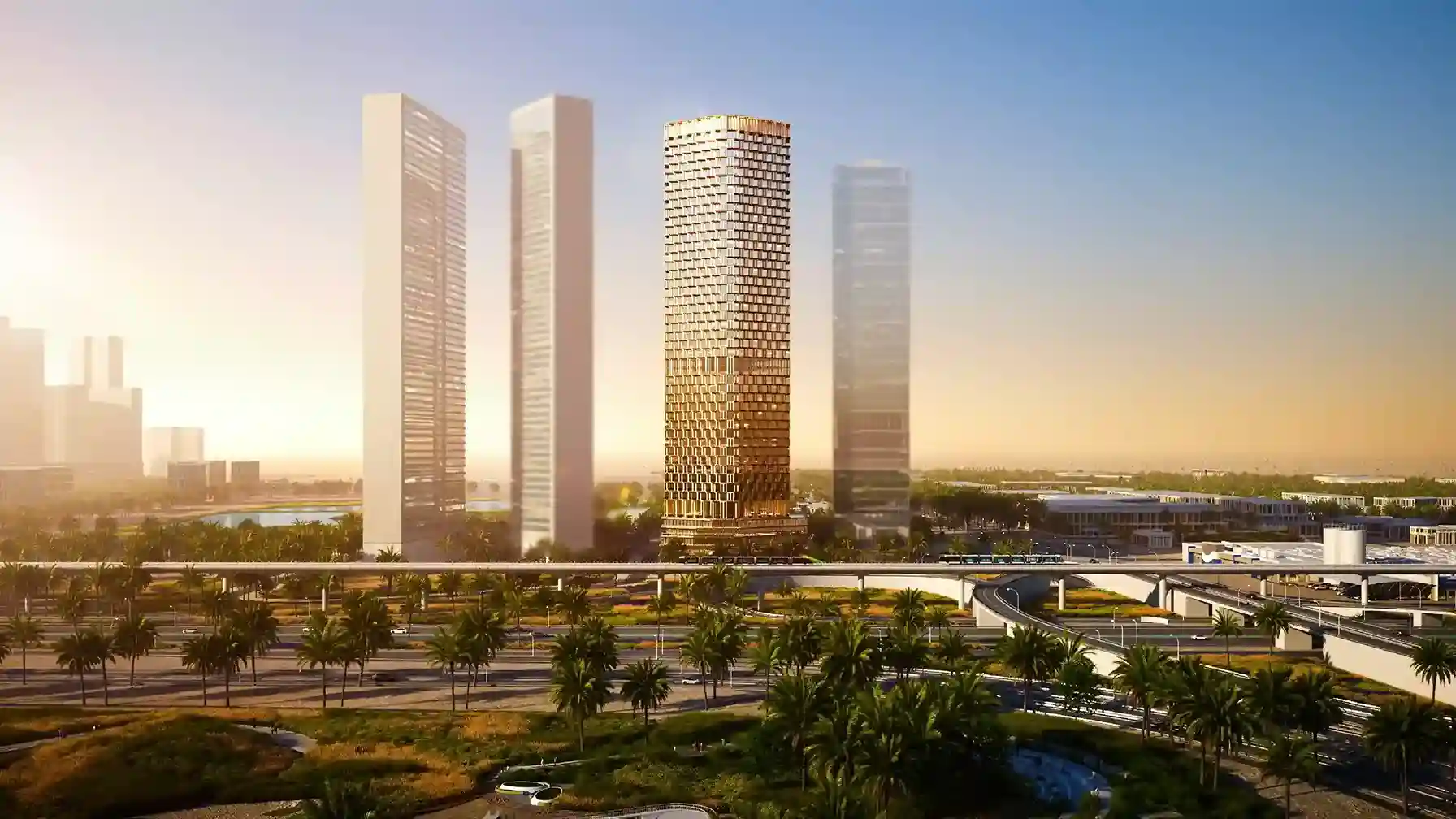
The resilience of the UAE real estate market is driven by a strong combination of economic strength, forward-looking policies, and sustained global demand. Rather than relying on a single factor, Dubai’s property sector is supported by multiple structural advantages that reinforce long-term stability and growth. The following five key reasons highlight why the market continues to perform strongly and attract global investors across different cycles and conditions.
The UAE’s diversified economy strengthens the UAE real estate market, with growth across tourism, logistics, finance, and technology ensuring stable and sustained property demand.
Dubai continues to strengthen its position as a global investment hub through a series of progressive government initiatives designed to enhance transparency, accessibility, and long-term investor confidence. These measures have played a key role in supporting sustained real estate investment in Dubai's inflows and reinforcing market stability.
Key initiatives include:
Together, these initiatives continue to enhance trust, reduce barriers to entry, and support the long-term growth of the UAE real estate market.
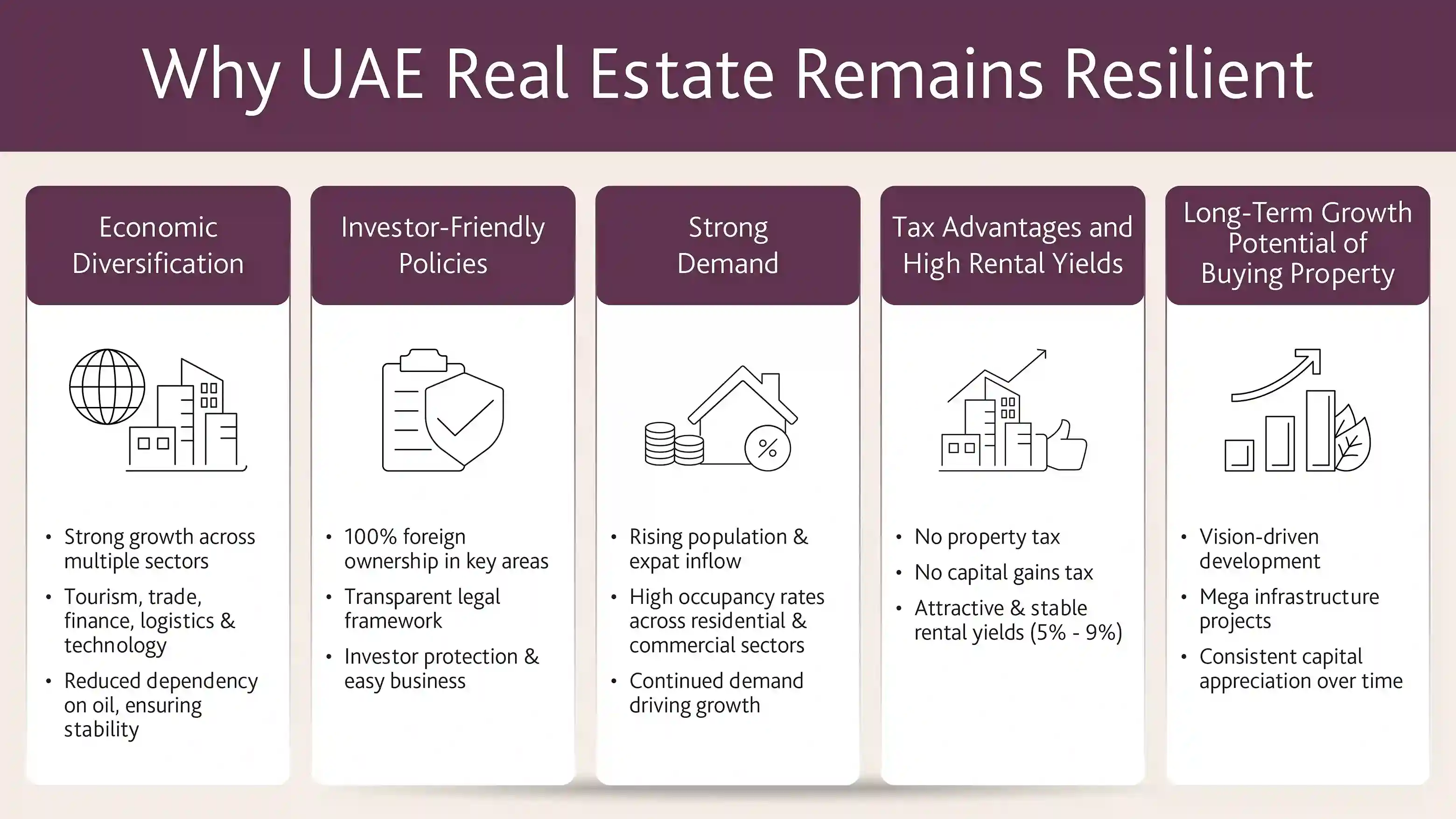
Dubai continues to attract investors from Europe, Asia, and the Middle East. This diversified demand base enhances market stability and reduces reliance on any single region.
A key driver of investment in Dubai real estate decisions is the tax-efficient environment. Combined with high rental yields, Dubai remains one of the most competitive global property markets.
Long-term fundamentals remain strong, supported by population growth, infrastructure expansion, and major master-planned developments. As a result, buying property in Dubai remains a strategic wealth-building decision.
Real Estate Investment Opportunities for Buyers and Investors
Current market conditions present strong real estate investment opportunities across multiple segments, particularly for long-term investors seeking value and growth. Key opportunities include off-plan developments, waterfront communities, high-yield apartments, and branded residences.
Fact Box
Rental yields remain among the highest globally, supported by comparative global benchmarks published by CBRE Global Living Report and Knight Frank Wealth Report.
Conclusion
The Dubai real estate market continues to stand out as one of the most resilient and attractive property sectors globally. While global developments may influence short-term sentiment, the underlying strength of the UAE real estate market ensures long-term stability and consistent growth.
Driven by strong economic fundamentals, investor-friendly policies, and sustained global demand, Dubai remains a leading destination for real estate investment in Dubai.
For investors considering buying property in Dubai, current conditions continue to present strong opportunities supported by positive Dubai real estate trends and long-term growth potential.
FAQs
Yes, buying property in Dubai remains a strong long-term investment due to consistently high rental yields, tax-free advantages, and strong capital appreciation potential. The Dubai real estate market continues to attract global demand, supported by infrastructure growth, population expansion, and a stable regulatory environment that protects investor interests.
Investors generally do not need to wait for a market correction in Dubai real estate. The Dubai property market often rewards long-term positioning over market timing. Entering early allows investors to benefit from price appreciation cycles, strong rental demand, and flexible payment structures available in both off-plan and ready segments.
Dubai investors continue to invest during periods of uncertainty because they focus on long-term fundamentals such as economic growth, rental yields, and portfolio diversification rather than short-term market sentiment. Confidence in the UAE real estate market is driven by strong regulation, global demand, and Dubai’s proven track record as a resilient and high-performing investment destination.